US Seizes Sanctioned Oil Tanker Off Venezuela Coast as Trump Orders Full Blockade, Escalating Pressure Campaign
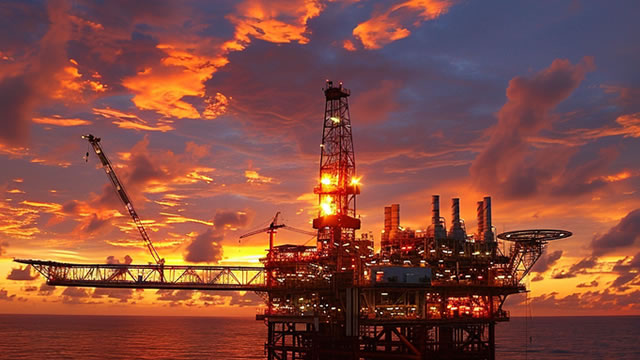
US forces recently intercepted and seized a sanctioned oil tanker off the coast of Venezuela, an action that signals a dramatic increase in the enforcement of sanctions against the South American nation’s oil industry. The seizure marks a serious escalation of tensions between the two countries and immediately followed an announcement by President Donald Trump that he was ordering a comprehensive blockade.
President Trump stated he was ordering a blockade of sanctioned oil tankers going into and leaving Venezuela. This move ratchets up pressure on Caracas amid a substantial US military buildup in the region, which has included the explicit threat of land strikes.
Aggressive Enforcement Targets Oil Revenue
The US sanctions campaign is designed to cut off the primary source of revenue for the Venezuelan government, which relies heavily on crude oil exports. The interception and seizure of a physical vessel represent a new, highly aggressive phase of this economic warfare, moving beyond financial restrictions to direct maritime interdiction.
The targeting of tankers, both inbound and outbound, suggests the US is attempting to completely isolate Venezuela’s oil sector. This strategy aims to prevent the country from exporting its crude (such as Merey heavy crude) and from importing necessary diluents or refined products needed to maintain its operations.
The blockade order, which targets both inbound and outbound tankers, signals a major disruption risk to the already constrained global crude oil market, forcing shippers and insurers to reassess the viability of any trade with Caracas.
The US military buildup mentioned by President Trump underscores the seriousness of the enforcement effort. While the sanctions have been in place for some time, the physical seizure of assets and the explicit order for a blockade introduce significant geopolitical risk into the shipping lanes of the Caribbean.
Market and Sector Implications
The escalation immediately impacts the global maritime and energy sectors. Ship owners, charterers, and insurers must now contend with the high probability of US interdiction for any vessel deemed to be violating sanctions. This will likely lead to:
- Higher Shipping Costs: Increased insurance premiums (war risk and political risk) for any routes near Venezuelan waters.
- Supply Chain Disruptions: Further reduction in the already limited supply of Venezuelan crude reaching international markets, potentially tightening the market for heavy sour crude grades.
- Crude Oil Volatility: Increased geopolitical risk premium built into benchmark crude prices, such as WTI and Brent futures.
Analysts suggest that while Venezuela’s output has already fallen dramatically due to existing sanctions and operational failures, this blockade could effectively zero out legitimate seaborne exports, forcing the country to rely exclusively on illicit or highly risky trade routes.
Geopolitical Standoff Deepens
The seizure of the tanker is a tangible manifestation of the escalating tensions. It moves the conflict from the realm of diplomatic statements and financial penalties into direct military enforcement. The US administration’s willingness to use military assets to enforce economic policy in international waters marks a significant shift in strategy.
Bloomberg reported that the seizure was executed by US forces off the coast, confirming the operational capacity and intent behind the President’s subsequent blockade order. The combination of the physical seizure and the formal blockade order signals that the US is committed to maintaining maximum pressure on the Venezuelan government, regardless of the potential for regional instability or spikes in global energy prices.
Forward Outlook
The threat of land strikes, coupled with the naval blockade, suggests that the US pressure campaign is nearing its zenith. The immediate focus for energy traders will be monitoring the flow of crude oil and observing how other major shipping nations respond to the US blockade order. Any successful circumvention or, conversely, further seizures will dictate the short-term trajectory of the geopolitical risk premium in the oil market.