Tesla Begins Unsupervised Robotaxi Testing in Austin as Musk Pushes for Fully Driverless Milestone
Tesla Launches Unsupervised Robotaxi Tests in Austin
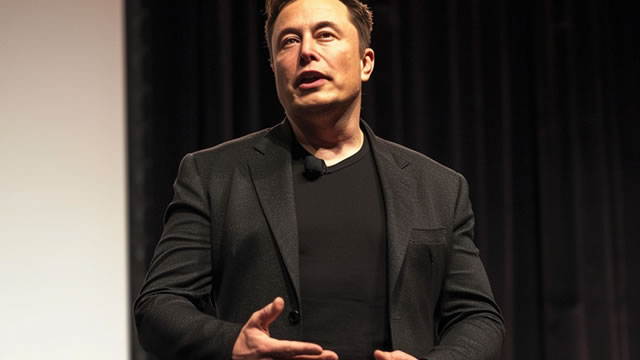
Tesla (TSLA) has initiated testing of its robotaxi fleet on public roads in Austin, Texas, without human safety monitors, according to CEO Elon Musk. This development marks a critical juncture for the automaker, which has staked a significant portion of its future valuation on the success of its autonomous driving technology.
The confirmation came after a video circulated on social media platform X on Sunday, appearing to show a driverless robotaxi operating with no one inside. While Tesla has been running a commercial robotaxi service in Austin, it has historically required a safety monitor or remote operator for each trip, meaning the service was not truly driverless until now.
The Push for Full Autonomy
The transition to unsupervised testing aligns with Musk's aggressive timelines for achieving full autonomy. The CEO has made several recent projections, including comments in September, October, and November, suggesting the removal of safety operators was imminent. Investment analysts are closely watching the progress.
“Bottom line: Tesla is likely very close to removing safety operators from Austin robo-taxis,” noted an analyst from Piper Sandler, signaling that the milestone of unsupervised Full Self-Driving (FSD) is “very close.”
The ability to operate without human intervention is essential for the economic viability of a robotaxi service, as it drastically reduces operational costs and scales the potential fleet size. Tesla's long-term growth narrative hinges on this autonomous vision, placing robotaxis at the center of its strategy.
Progress and Challenges in the Autonomous Race
Despite the recent progress, Tesla faces scrutiny regarding the pace of its autonomous development. The company has accumulated over 550,000 robotaxi miles, primarily in Austin and the Bay Area. While this demonstrates "meaningful traction," it still lags behind the ambitious timelines set by the company in previous years.
Musk’s latest projection suggested that Austin could see fully driverless Teslas on public roads within "about three weeks" of his comment, potentially achieving the goal by year-end. If this timeline holds, it would validate the company's approach to autonomous driving, which relies heavily on vision-based systems and massive data collection from its consumer fleet.
The move into unsupervised testing also intensifies the competition with established autonomous vehicle developers like Waymo, which has been operating fully driverless services in select cities for some time. The clash between Musk and top Waymo executives over the merits and safety of their respective technologies has been public, highlighting the high stakes in the race for market dominance in autonomous mobility.
Market Implications and Safety Oversight
The successful deployment of unsupervised robotaxis could provide a significant boost to TSLA stock, which currently carries a Zacks Rank #3 (Hold). The market views the realization of the robotaxi vision as a major catalyst, transforming the company from a high-volume electric vehicle manufacturer into a high-margin technology and mobility service provider.
However, the removal of human monitors raises regulatory and safety considerations. The testing phase will be crucial for demonstrating the reliability and safety of the FSD system in complex, real-world urban environments. The industry is under intense scrutiny, and any incidents during this unsupervised testing phase could lead to regulatory setbacks or public backlash, potentially delaying broader commercial deployment.