Gold Climbs to Record Highs Driven by Geopolitical Tensions and US Rate Cut Expectations
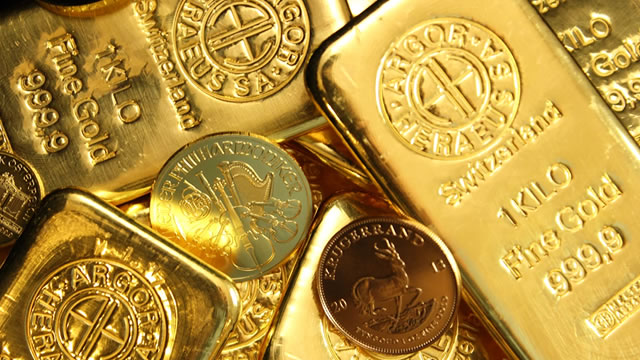
Gold has climbed to an all-time high, driven by a powerful combination of escalating global geopolitical tensions and robust market speculation regarding future interest rate cuts by the U.S. Federal Reserve. This surge has propelled the precious metal to its best annual performance in more than four decades, underscoring its role as a critical safe-haven asset during periods of uncertainty.
Drivers of the Gold Rally
The recent record-breaking price action in gold is fundamentally linked to two major macroeconomic and geopolitical factors. The first is the persistent and increasing level of global instability. Geopolitical conflicts and regional tensions traditionally boost the appeal of gold, as investors seek assets that retain value when fiat currencies or riskier assets face volatility.
The second, and equally significant, factor is the evolving outlook for U.S. monetary policy. Market participants are increasingly betting on a series of interest rate reductions by the Federal Reserve (Fed) in the coming year. Lower interest rates typically decrease the opportunity cost of holding non-yielding assets like gold, making it more attractive relative to interest-bearing instruments such as Treasury bonds.
Bloomberg's Martin Ritchie broke down the situation, highlighting that the momentum is being sustained by both the flight to safety and the anticipation of monetary easing.
Market and Sector Implications
The strong performance of gold is having a ripple effect across the broader materials sector. While the immediate focus is on the price of the metal itself, the sustained high prices signal potential tailwinds for mining companies and related industries. This dynamic is evident in the global commodities market, which is currently navigating complex interactions between economic policies and geopolitical events.
- Safe-Haven Demand: Heightened geopolitical risks are channeling capital away from equities and into gold, reinforcing its status as a hedge against global instability.
- Monetary Policy Expectations: Anticipated rate cuts by the Fed are weakening the U.S. dollar and reducing real yields, further supporting gold prices.
- Sector Activity: The robust gold market provides a favorable backdrop for the mining industry, potentially encouraging investment in exploration and production, as seen in other parts of the materials sector, such as Guinea's plans for a major mining conference.
Broader Commodities Context
The materials sector is currently experiencing significant activity beyond precious metals. For instance, developments in energy, such as Nigerian oil producer Heirs Energies securing a substantial loan to boost production, illustrate the dynamic nature of the commodities landscape. However, gold's recent performance stands out, driven by macro factors that transcend specific regional supply-demand dynamics.
The current environment suggests that gold prices may remain elevated as long as geopolitical tensions persist and the Fed maintains a dovish outlook. Investors will be closely watching upcoming economic data releases and central bank commentary for further clues regarding the timing and magnitude of potential rate cuts, which will be critical in determining gold's trajectory through the remainder of the year.