Ford Recalls Over 272,000 Hybrid and Electric Vehicles in U.S. Due to Software Glitch Affecting Park Function
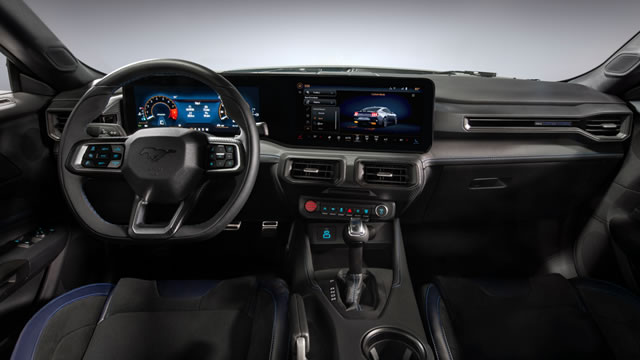
Ford Initiates Safety Recall for 272,000+ EVs and Hybrids Over Roll-Away Risk
Ford Motor Company (F) announced a significant safety recall affecting more than 272,000 electric and hybrid vehicles across the United States. The recall addresses a critical software flaw that could prevent the vehicles from properly engaging the park function, dramatically increasing the risk of unintentional roll-away and subsequent crashes.
The sheer volume of affected vehicles—over 272,000 units—makes this one of the more substantial software-related recalls for the automaker in the rapidly expanding electric and hybrid segment. The issue centers on a glitch in the vehicle’s operating software that compromises a core safety feature, potentially allowing the vehicle to move even when the driver believes it is secured in park.
Technical Flaw Compromises Park Safety
The core problem identified by Ford is a software glitch that directly impacts the mechanism responsible for securing the vehicle when the driver selects the park gear. If the park function fails to engage correctly, the vehicle is susceptible to rolling away, particularly on sloped surfaces, posing a severe safety hazard to occupants and pedestrians.
The software flaw could cause vehicles to roll away, raising crash risks. Ford has confirmed that a fix will be provided free of charge to address this critical safety defect.
This incident underscores the growing complexity of modern vehicles, where critical mechanical functions are increasingly managed by sophisticated software systems. A minor programming error can translate into a major physical safety risk, necessitating large-scale recalls.
Scope of the Recall and Resolution
The recall specifically targets a range of Ford’s electric and hybrid models, though the exact model list was not detailed in the initial announcement, only that the scope includes both EVs and hybrids. The total number of affected vehicles in the U.S. is stated to be over 272,000.
Ford is taking immediate steps to rectify the situation. The company plans to provide a free software update to all owners of the affected vehicles. Since the issue is rooted in software, the resolution is expected to be relatively straightforward, likely involving an update performed at a dealership or potentially an over-the-air (OTA) update, depending on the vehicle's capabilities, although the source material only confirms a free fix.
- Affected Vehicles: Over 272,000 electric and hybrid vehicles in the U.S.
- Cause: Software glitch preventing proper park engagement.
- Risk: Unintentional vehicle roll-away and increased crash risk.
- Resolution: Free software fix provided by Ford.
Implications for the Automotive Sector
For automakers like Ford, which are heavily investing in the transition to electric and software-defined vehicles, recalls related to core software functions present a dual challenge: immediate safety mitigation and long-term reputational management. While recalls are common in the automotive industry, software-related failures in safety-critical systems draw intense scrutiny from regulators and consumers alike.
The rapid deployment of new vehicle platforms, particularly in the EV space, often involves complex codebases that require rigorous testing. This recall serves as a reminder that software quality control is now as vital as traditional mechanical engineering in ensuring vehicle safety and reliability. Investors in F will be monitoring the cost and speed of the remediation process, though a software-based solution is typically less expensive than a hardware replacement recall.