Chevron Prepares to Export 1 Million Barrels of Venezuelan Crude Despite Maintained U.S. Sanctions and Rising Tensions
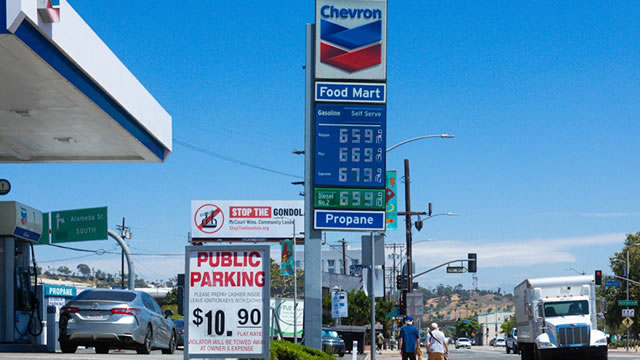
Chevron Maintains Critical Venezuelan Oil Flow Amid Geopolitical Pressure
Chevron Corp. (CVX) is actively preparing to export 1 million barrels of Venezuelan crude oil, according to the latest Bloomberg tanker tracking data. This significant shipment highlights the company’s continued operation in Venezuela, a high-stakes endeavor maintained under a specific U.S. license despite ongoing sanctions and heightened tensions between Washington and Caracas.
As the only global oil company with access to Venezuela’s immense crude reserves—the largest known in the world—Chevron is steering a risky path. The company’s operations persist even as the U.S. government, under both the Trump and Biden administrations, has maintained sanctions on Venezuela’s oil industry, with former President Trump previously labeling the country’s government a “foreign terrorist organization.”
Production and Export Metrics Anchor CVX’s Position
Chevron’s continued presence is crucial for both its own supply chain and for Venezuela’s state-run oil company, PDVSA. The U.S. major produces about 200,000 barrels a day from multiple joint ventures with PDVSA. Chevron exports its share of this production directly to U.S. refineries located on the Gulf Coast, providing a steady, albeit politically sensitive, source of heavy crude.
Chevron keeps exporting Venezuelan crude under a U.S. license, loading 1M barrels despite sanctions, a naval blockade, and falling national output.
The company’s ability to maintain this flow has required intense lobbying efforts in Washington, particularly since President Joe Biden maintained the sanctions originally placed by the Trump administration.
Blockade and Supply Chain Disruptions Intensify Risk
The geopolitical environment surrounding Venezuelan oil exports has become increasingly fraught. Reports indicate that a U.S. naval blockade is raising tensions, leading to significant disruption in maritime traffic. This pressure has caused multiple “ghost” vessels to reportedly turn away from Venezuelan ports, while others are avoiding the region altogether.
Further complicating PDVSA’s operations is a shortage of key diluents. Venezuela’s heavy crude requires blending with lighter products, such as naphtha, for transport and refining. Recent reports indicate that:
- At least one tanker carrying Russian naphtha recently turned away from Venezuela amid the blockade.
- The shortage of naphtha, which PDVSA uses to dilute its heavy crude, is creating additional operational disruption.
These supply chain issues threaten to further depress Venezuela’s already falling national oil output, making Chevron’s licensed exports even more critical for the country’s limited cash generation.
Forward-Looking Risks and Potential Upside
While Chevron currently enjoys a unique advantage, its long-term access remains precarious. The company faces the constant risk of being shut out of the country, a fate that has befallen multiple foreign oil companies in Venezuela over the years. This exclusion could be triggered by either the U.S. administration revoking the license or by Venezuelan President Nicolás Maduro’s government.
Conversely, should the U.S. and Maduro strike a diplomatic or economic deal, Chevron would be positioned to benefit immediately. A normalization of relations would likely require Venezuela to export as much oil as possible to generate cash, potentially unlocking the country’s vast reserves for increased production and export, significantly benefiting CVX.